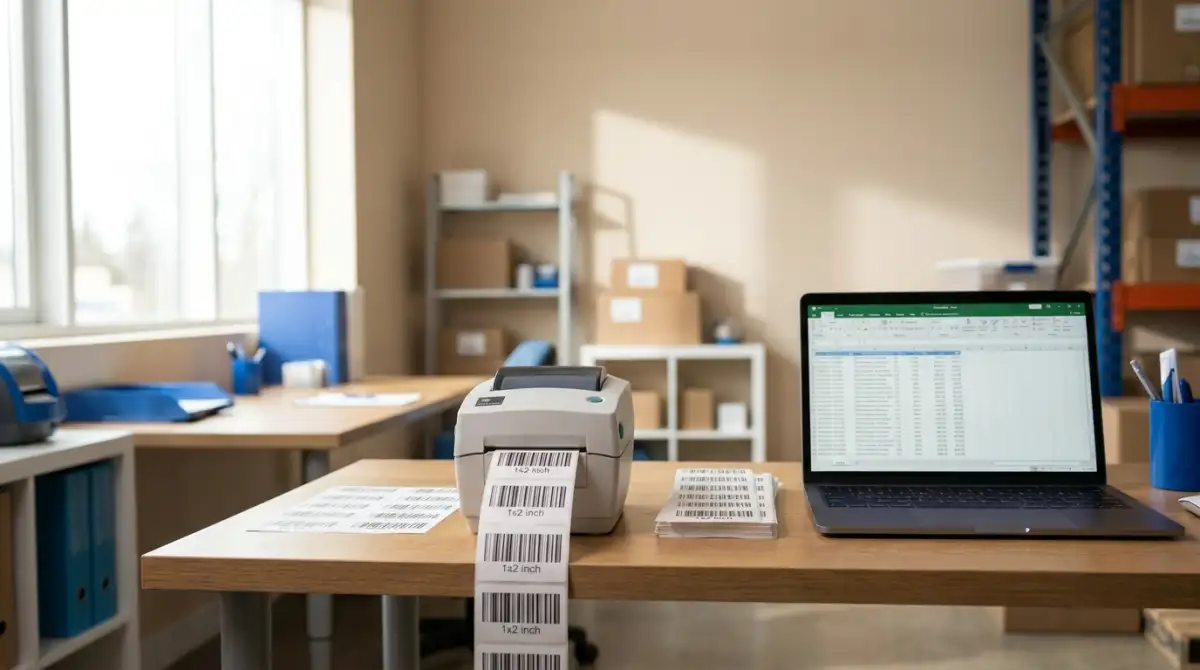
A carton arrives with no purchase order. A return comes back half-open. A picker finds 12 units in a bin that should be empty. Nobody wants to stop the shift, so the stock gets placed on the nearest shelf with a sticky note that says "check later."
That shelf is where inventory accuracy quietly loses. Inventory quarantine is the habit of isolating stock that cannot be trusted yet: damaged goods, unknown items, receiving mismatches, unlabeled products, and returns waiting for inspection. Think of it as the emergency room for inventory. It is not storage. It is a controlled place where stock waits until someone gives it a clear diagnosis.
Why mystery stock spreads
Mystery stock feels harmless because it is visible. The team can point to the box. The problem is that the system cannot. If the item is not received correctly, not labeled correctly, or not assigned to a usable status, it becomes a rumor inside the warehouse.
A buyer sees zero on hand and orders more. A salesperson promises stock that is physically present but not sellable. A counter adjusts a number without knowing that the same units are waiting in a returns pile. One exception turns into a purchase error, a pick error, and a finance question.
If the item cannot be picked, sold, consumed, returned, scrapped, or received with confidence right now, it belongs in quarantine until the next decision is clear.
What belongs in quarantine
A good quarantine process is strict enough to protect accuracy, but not so broad that it becomes a dumping ground. The rule is simple: quarantine exceptions, not inconvenience.
Send these items to quarantine
- Receiving mismatch:Quantity, SKU, lot, expiry date, or purchase order does not match the delivery paperwork.
- Damaged or suspect condition:Packaging is crushed, wet, opened, missing seals, or otherwise questionable.
- Unknown identity:The item has no readable barcode, no label, duplicate labels, or a code that does not scan.
- Customer return:Returned stock needs inspection before it becomes available again.
- Found stock:Items discovered in the wrong bin, on the floor, in a packing area, or in a location not listed in the system.
- Quality hold:Items blocked by quality, compliance, supplier dispute, or internal investigation.
Do not quarantine stock just because the team is busy. If the item is known, clean, correctly labeled, and received against the right document, put it away. Quarantine is for uncertainty, not overflow.
Design the quarantine lane
The physical setup matters. A quarantine area should be close enough to receiving and returns that people actually use it, but separate enough that pickers cannot accidentally pull from it. A wire cage, marked rack, locked pallet position, or small shelf can work. The important part is access control.
Create one system location called QUARANTINE, HOLD, or another name your team understands. Do not hide quarantined stock in normal bins with a note. The system should show that the stock exists, but also that it is not available for normal picking. If your software supports inventory status, use a non-pickable status such as hold, inspection, damaged, or pending return.
Label the lane with plain rules: who can add stock, who can release stock, and what information must be attached. If barcode labels are part of the issue, use the standards in the barcode labeling guide to keep new labels readable before the item returns to active inventory.
The 5-minute intake routine
Quarantine fails when people drop items there with no trail. The intake step should take less than 5 minutes, and it should answer enough questions that the next person can continue without starting over.
- Scan or photograph the item, barcode, carton, and paperwork.
- Record the reason code: receiving mismatch, damage, unknown label, return, found stock, or quality hold.
- Enter the quantity, SKU if known, supplier or customer reference, and the person who placed it in quarantine.
- Move the stock to the physical quarantine lane and assign it to the matching system location or hold status.
- Set a resolution owner and due date. Same day is best. More than 48 hours should require a manager review.
This is where phone scanning earns its keep. A quick scan plus a photo gives the reconciler evidence without sending them back through the warehouse to identify the box again.
Run a daily quarantine review
Quarantine should move. If the area is growing every week, it has become a second warehouse with worse rules. Assign one person to review the lane daily, ideally after receiving is closed or before the first pick wave.
The item is identified, inspected, correctly labeled, and safe to sell or consume. Move it from hold to an active location and record the reason.
The supplier sent the wrong item, wrong quantity, or unacceptable condition. Keep the stock blocked and attach the return authorization or claim reference.
The product can be fixed with relabeling, repacking, kitting, cleaning, or quality approval. Keep ownership clear until the work is finished.
The item cannot be sold, returned, or repaired. Scrap it through the approved adjustment process and keep photos or notes for audit support.
The review should also look for patterns. Three supplier mismatches in one week are not three random events. They are a receiving process issue, supplier compliance issue, or master data issue. Use the same root-cause discipline described in the inventory variance investigation guide.
Metrics that keep quarantine honest
The goal is not to make quarantine empty at any cost. The goal is to make exceptions visible, controlled, and resolved. Track a few numbers weekly.
- Open quarantine items: Count of unresolved cases by reason code.
- Average age: How long items sit before release, return, rework, or write-off.
- Value on hold: Dollar value blocked from normal inventory, especially A items.
- Repeat sources: Suppliers, SKUs, customers, or locations that create the most cases.
Age is the number that changes behavior fastest. When a quarantine item passes 48 hours, it should feel late. When it passes 7 days, it should have a named blocker: waiting for supplier credit, quality inspection, customer approval, or finance sign-off.
Common mistakes
The first mistake is making quarantine physical but not digital. A blocked shelf without a system status still creates confusion during purchasing, counting, and order promising. The second mistake is allowing everyone to release stock. Intake can be broad; release should be controlled.
The third mistake is using quarantine to avoid hard decisions. If a product is damaged, obsolete, or disputed, leaving it untouched does not protect margin. It only delays the adjustment. Quarantine should force decisions faster, not hide them longer. For upstream prevention, tighten the first handoff with a simple warehouse receiving checklist.
Frequently asked questions
What is inventory quarantine?
Should quarantined stock count as available inventory?
How long should items stay in quarantine?
Who should be allowed to release stock from quarantine?
Next step: create one hold location today
Start small. Name one shelf, cage, or pallet position as quarantine. Create the matching system location or hold status. Give the team 6 reason codes and one rule: if the item is not trusted, do not improvise. Quarantine it, document it, and resolve it before it can damage another count or another order.